Supporting Your Child to Manage Their Medication
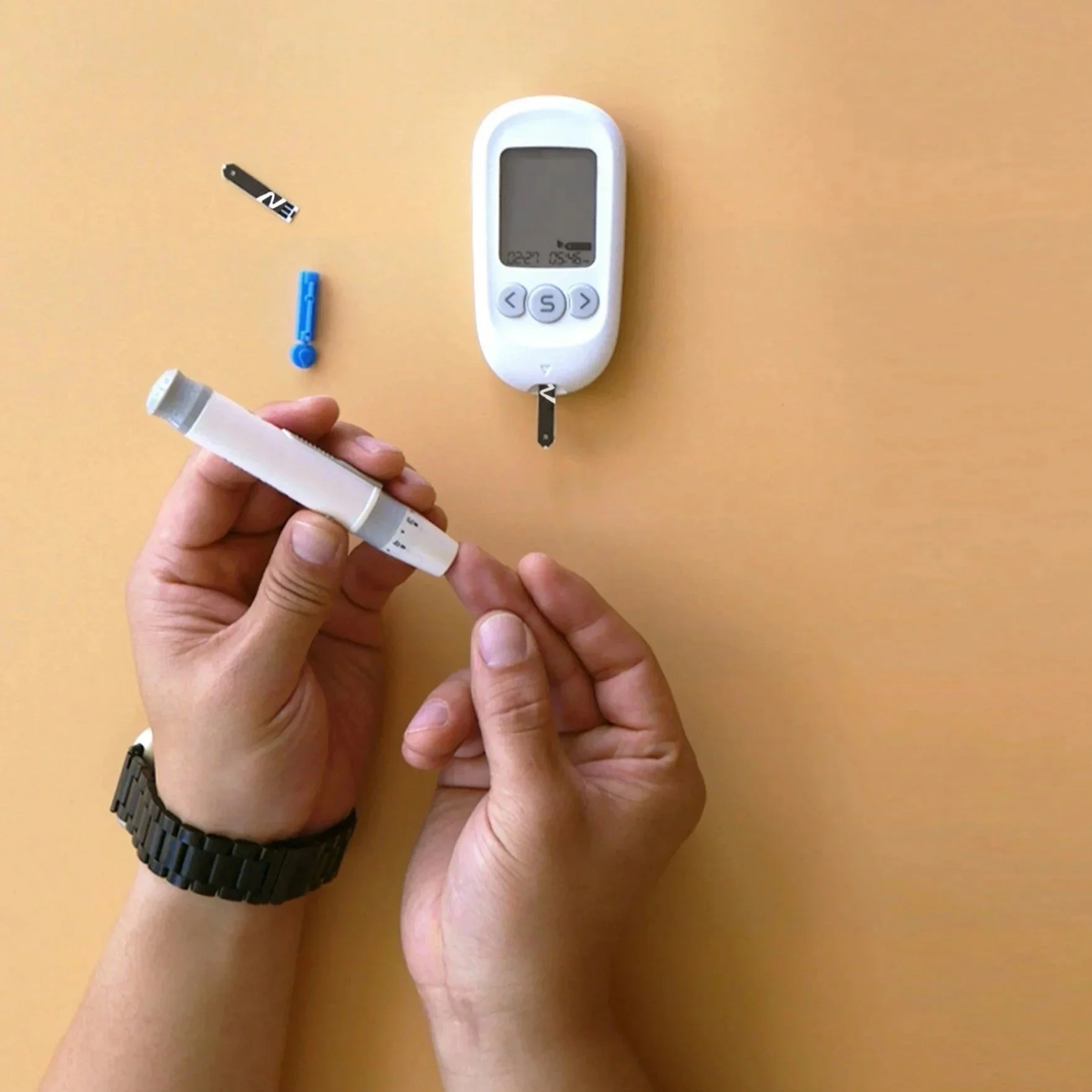
Many children need medication as part of their care, and it’s very common for them to resist or struggle with taking it at times. This can happen during periods of change (like starting school or holidays), when they’re tired or unwell or as they begin to seek more independence. We often notice specific difficulties at certain ages and stages, such as in early childhood and adolescence. These challenges are normal and do not mean you or your child are doing anything wrong.
Although we are focussing on taking medication, hold in mind that the same approaches and guidance are likely to help your child with other aspects of their medical care (such as their physio or managing dietary restrictions).
If your child is struggling to complete aspects of their medical care, it is really important to be honest with their healthcare team. They may be able to suggest alternatives that your child could try.
If you would like more detailed advice, personalised to your child, then please do get in touch to arrange an appointment with a member of our team.
-
Kids are more likely to engage with their medication when they understand why it matters. Offer clear, age-appropriate explanations about how the medication helps them. Start simple and build on this over time, giving your child regular opportunities to ask as questions.
For younger children, using play or modelling what to do can be helpful (e.g. practising with a toy or demonstrating on yourself). Breaking the process into small, manageable steps can also reduce anxiety and build confidence.
Try to recognise and name your child’s emotions for them. Your child may feel worried, frustrated or angry about their medication. It’s important that parents stay curious and try to understand why they are feeling this way, rather than assuming they understand.
-
Like adults, children are more engaged and cooperative when they feel involved and have some control.
You can support this by:
Offering limited choices (e.g. where or how they take medication)
Creating a consistent daily routine together
Linking medication to existing habits (like brushing teeth)
Using reminders or letting them help keep track of timing
Finding ways to increase their involvement, such as personalising medication boxes or timing charts (remember medication should always be safely stored)
For older children and teenagers, encourage gradual independence while continuing to provide guidance and supervision where needed.
-
Positive attention and rewards can encourage children to take their medication more consistently. This might include praise, special time together or choosing a family activity.
Reward charts can be especially effective for younger children. Adjust rewards over time so they stay motivating, and avoid relying on food or money-based rewards for long-term use. Focus on reinforcing positive behaviours, and try to limit attention at times when there is refusal or other undesirable behaviours (where it is safe to do so).
-
Managing your child’s medication can be stressful, and children often pick up on this. Taking care of your own wellbeing - whether through rest, support from others or small daily breaks - can make a big difference. Sharing responsibility with another adult can also help.